
Parents want their children to grow strong and confident. They look for different ways when the ideal choice is right under their nose. Many families in Tacoma want their child to be stronger and sharper than other kids. They want to know which activity builds discipline and improves confidence? For many kids, the answer starts on the mat. Training in Brazilian Jiu-Jitsu (BJJ) is not just self-defense. It teaches patience, courage, and respect through steady practice.
Instructors are there to guide children through this journey every day. Small wins during training slowly shape confident young people.
Why Do Parents Choose Martial Arts for Kids?
Many parents first consider sports like soccer or baseball. Those activities help with fitness and teamwork. However, martial arts is not just a simple sport. It is like a partner in growth.
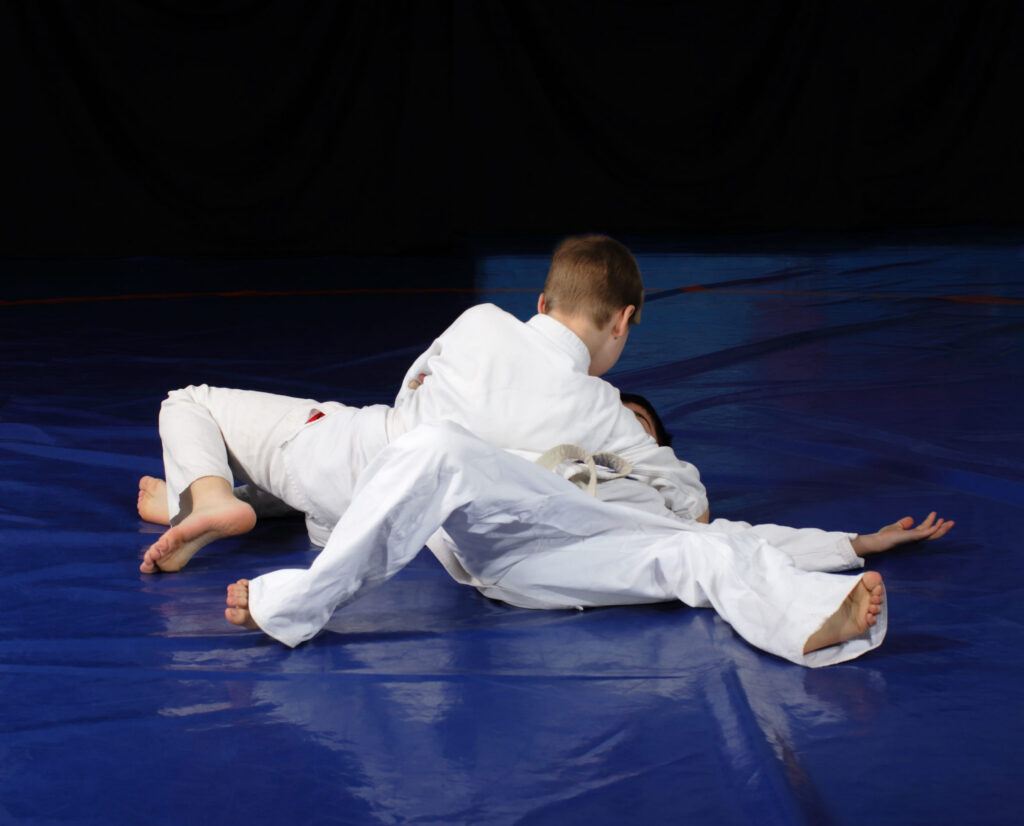
Kids Martial Arts in Tacoma
Children learn how to face challenges head-on. No choice but to run. They also learn how to stay calm during stressful moments. Martial arts build confidence through action. Kids practice skills and then they see progress. As a result, that progress builds belief in themselves.
What Makes Brazilian Jiu-Jitsu Unique for Children?
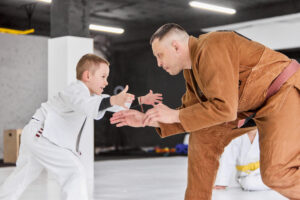
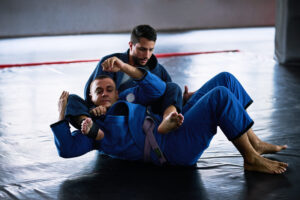
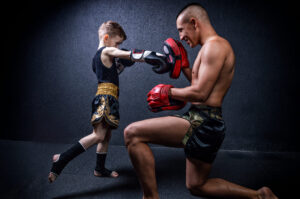
Many martial arts focus on strikes and speed. Brazilian Jiu-Jitsu follows a different path. The core is the same, but it is more of a mind thing. Students learn how to control situations through balance and leverage. Smaller students often succeed against bigger partners. This experience changes how children see themselves. Instead of feeling powerless, they discover an important truth. Brain beats brawl.
How Jiu-Jitsu Builds Confidence Step by Step?
Step 1: Learning the basics
Kids first learn simple moves, like how to fall safely, how to hold grips, and how to escape positions. This helps them feel more aware of their body and more in control.
Step 2: Practicing with a partner
Next, they start to practice with another student in a controlled way. This teaches them to stay calm and think clearly when solving problems, rather than panicking.
Step 3: Small improvements are noticed
Instructors watch their progress and give feedback. Kids start seeing that they are getting better over time. Now the adrenaline kicks in.
Step 4: Earning belts and stripes
When kids improve, they receive stripes or move to a new belt. This shows them their effort is paying off. The rewards are coming.
Step 5: Confidence grows in life
After achieving something through effort, kids start believing in themselves more. Confidence is through the charts.
Final result:
This belief doesn’t stay only in class. It starts helping them in school, at home, and with everyday challenges. They start thinking positively. They know now that if they put in the effort, hard things will become easy.
Fitness Benefits That Support Healthy Growth
Many kids spend long hours on screens today. Phones, tablets, and video games are on the minds of everyone. Martial arts training provides a healthier outlet. Kids spend their time on something practical.
Kids run and stretch to practice simple drills during their class. They are not lifting weights but still getting stronger with grappling exercises. Then there are balance exercises that improve coordination.
Parents frequently notice improved sleep and stronger focus at school. This regular activity supports both mental and physical health.
What Parents Should Look for in a Kids’ Martial Arts Program?
- Qualified instructors for kids: Parents should check if the teachers understand how children learn. Good instructors stay patient and explain things in a simple, clear way.
- Strong focus on safety: Training must be closely supervised. Kids should practice in a controlled environment where injuries are minimized.
- Positive values in training: A good program teaches more than fighting skills. It should build respect, teamwork, discipline, and persistence.
- Supportive learning environment: Kids improve faster when they feel encouraged and safe. A positive space helps them grow both in class and in daily life.
How Parents Can Support Their Child’s Martial Arts Journey
Parents play an important role in a child’s progress. Kids need encouragement more than pressure. Kids perform best when they enjoy the process.
Celebrate small milestones. The first completed class deserves recognition. The first stripe or belt feels even better. Also, communicate regularly with instructors. Coaches often share insights about progress and areas for improvement.
Most importantly, stay patient. Confidence does not grow overnight. It’s a bud that needs care and grows gradually through consistent effort.
Why Jiu-Jitsu Makes Kids Stronger?
Children face many challenges while growing up. School pressure, social changes, and digital distractions create stress in them. Martial arts training offers a positive path forward. Through Brazilian Jiu-Jitsu, kids develop resilience. They learn respect. They also learn how to stand up after failure.
Each class adds a small layer of confidence. Eventually, those small layers create a strong foundation.
For many families in Tacoma, that journey begins on the mat at Gracie Barra Tacoma. For many children, it becomes one of the most valuable experiences of their childhood.
Conclusion
Confidence grows through small victories over time. Children gain those victories during every class when they are learning Brazilian Jiu-Jitsu. Each drill, escape, and sweep builds belief in their ability. Brazilian Jiu-Jitsu teaches more than physical techniques. Kids develop patience, respect, and persistence. They face challenges and learn how to solve them step by step. Parents often notice the change quickly. Kids communicate with more confidence. They approach problems calmly. They also stay more focused during school and daily activities.
FAQ
At what age can kids start Brazilian Jiu-Jitsu?
Many schools welcome children as young as four years old. Beginner programs focus on movement, balance, and simple techniques. Young students learn through games and structured drills.
Is Brazilian Jiu-Jitsu safe for kids?
Yes, safety remains a priority in structured classes. Instructors teach controlled movements and proper falling techniques. Supervised training greatly reduces injury risk.
How often should kids train each week?
Most beginners attend two or three classes weekly. This schedule builds consistency without overwhelming young students. Regular practice helps children remember techniques and gain confidence.
Will martial arts help shy children?
Yes, many shy kids gain confidence through martial arts training. Classes create small challenges that students overcome step by step. Over time, kids feel more comfortable speaking and participating.
Do kids need to be athletic to start?
No athletic background is necessary for kids to start learning BJJ. Beginners learn basic movements at their own pace, and professional instructors guide every student step by step.
What should kids bring to their first class?
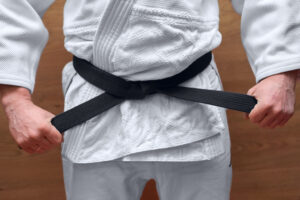
Most academies suggest comfortable athletic clothes for the first visit. After enrollment, students usually train in a traditional uniform called a gi for Brazilian Jiu-Jitsu classes.